Mixing Modern and Traditional: 5 Rules for a Timeless Living Room
This article contains affiliate links.
We know that well designed homes are a mix; a mix of tones, a mix of texture, and a mix styles. But it takes planning to get this design mix right. If you’re worried that mixing styles will result in a cluttered mess, this article is for you.
Using the modern and traditional design styles as an example, here are my five rules for making these opposing design styles work in your home. (Mood board included)
Mixing Styles
The 80/20 Rule
If you don’t trust your design eye, math is your best friend. Choose a primary style to represent about 80% of your room, then use the remaining 20% for the accent style.
The Mood Board: In the mood board below 80% is represented by large traditional style pieces and wall treatment. You’ll see wall moldings, the sofa, rug, and decor pieces. 20% modern style shows up in a bold, abstract oversized painting, slipper chairs, table lamp, and round throw pillow.
Connect Through Color
The easiest way to make a mid-century armchair play nice with an art deco floor lamp is through a unified color palette. When the furniture and decor speak to each other through color, the eye reads the different styles as complimentary.
The Mood Board: With our Modern x Traditional mood board design I leaned heavily into neutrals. A palette of cream, sand, black and charcoal allows the architectural details of traditional furniture and the clean lines of modern pieces to coexist without competing for attention.
Contrast Your Silhouettes
If everything in your room has skinny legs, the space will feel cold. If everything is skirted and heavy, it’ll feel stagnant. This universal rule isn’t only true when mixing design styles, but in talking about balance, it’s a rule that can’t go unmentioned.
Mood Board: Placing a structured, traditional sofa next to a light slipper chairs creates just the contrast these modern and traditional pieces crave. The sharp angles of the chairs provide a perfect foil to the soft curves of the sofa.
Texture, Texture, and More Texture
Texture is a great way to connect styles.
A sleek, glass-topped modern table can feel a little cold until you put a woven traditional basket underneath it or a chunky knit throw nearby. These organic elements bring the modern pieces down to earth and freshen up the more traditional ones.
Embrace the Black Sheep
Black sheep, odd duck, beautiful weirdo, call it what you want, but these pieces don’t fit in. The unexpected red theory, which was a bit of a trend last year, is a good example of this trick. Items that create a visual tension, either through color or style, signal to the brain, “There’s something special happening here.”
Can you see the black sheep in our mood board? Okay, I’ll tell you: it’s the colorful abstract art. In a room with a tight neutral color palette, the layered colors pop with excitement, whereas in a more colorful room, it would simply blend in.
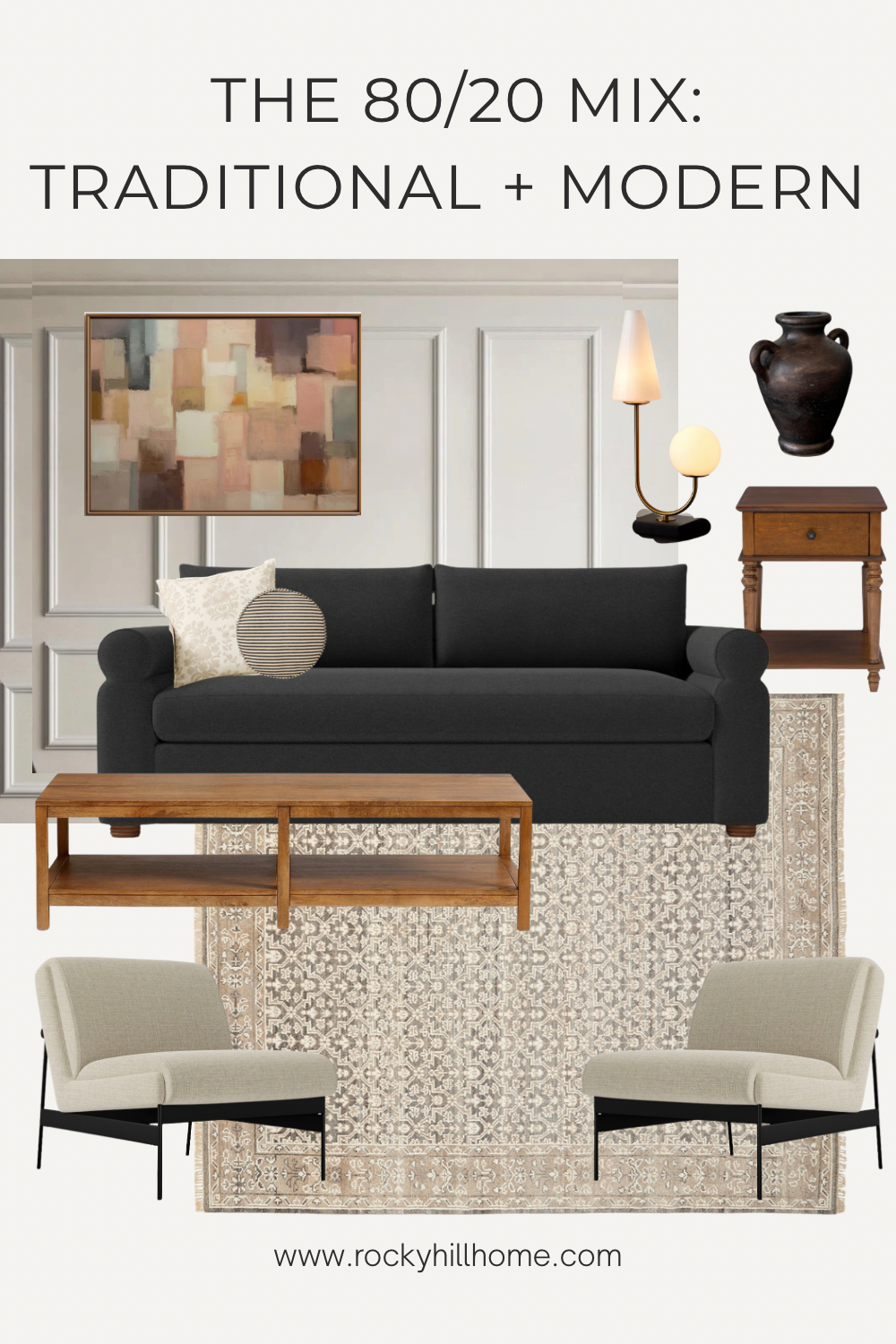
Shop this look now or PIN for later!
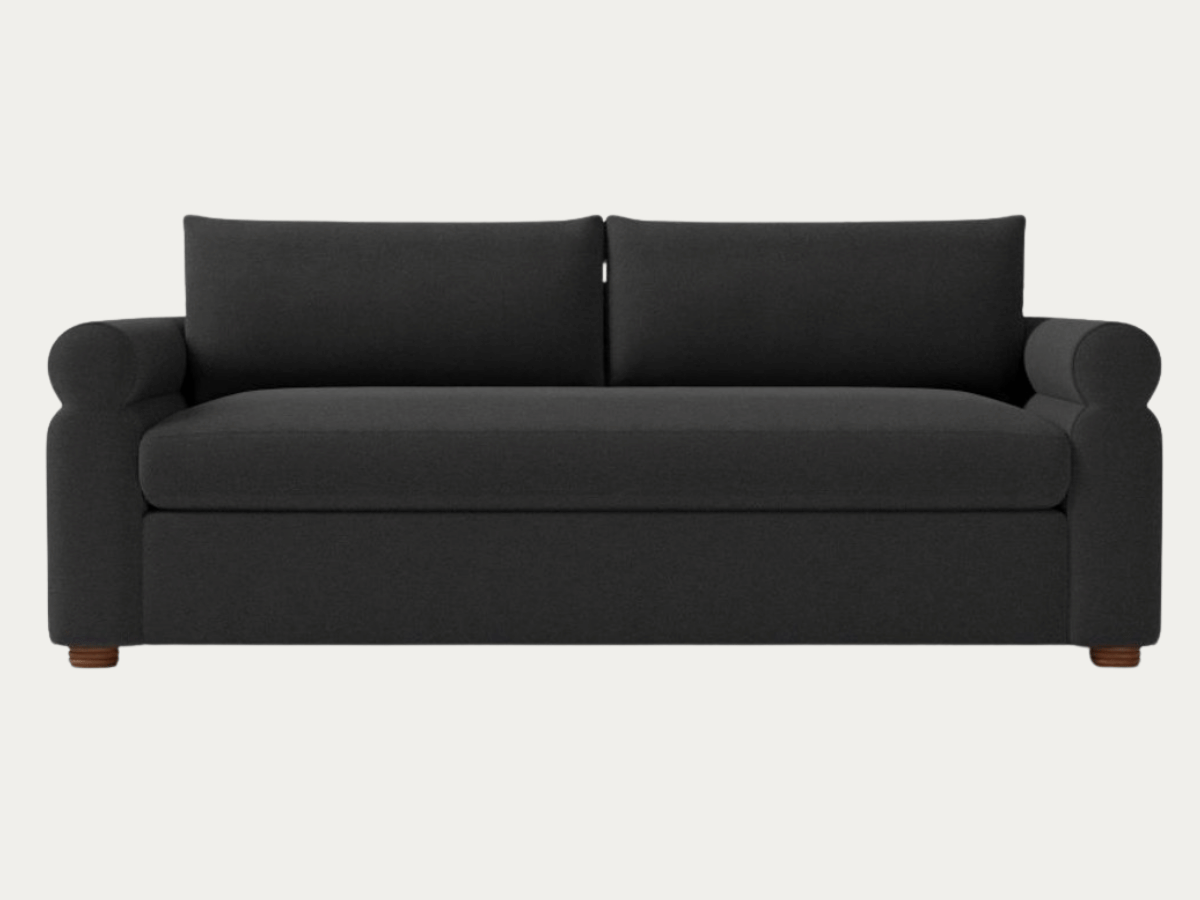
Pierce & Ward, Channeled Sofa
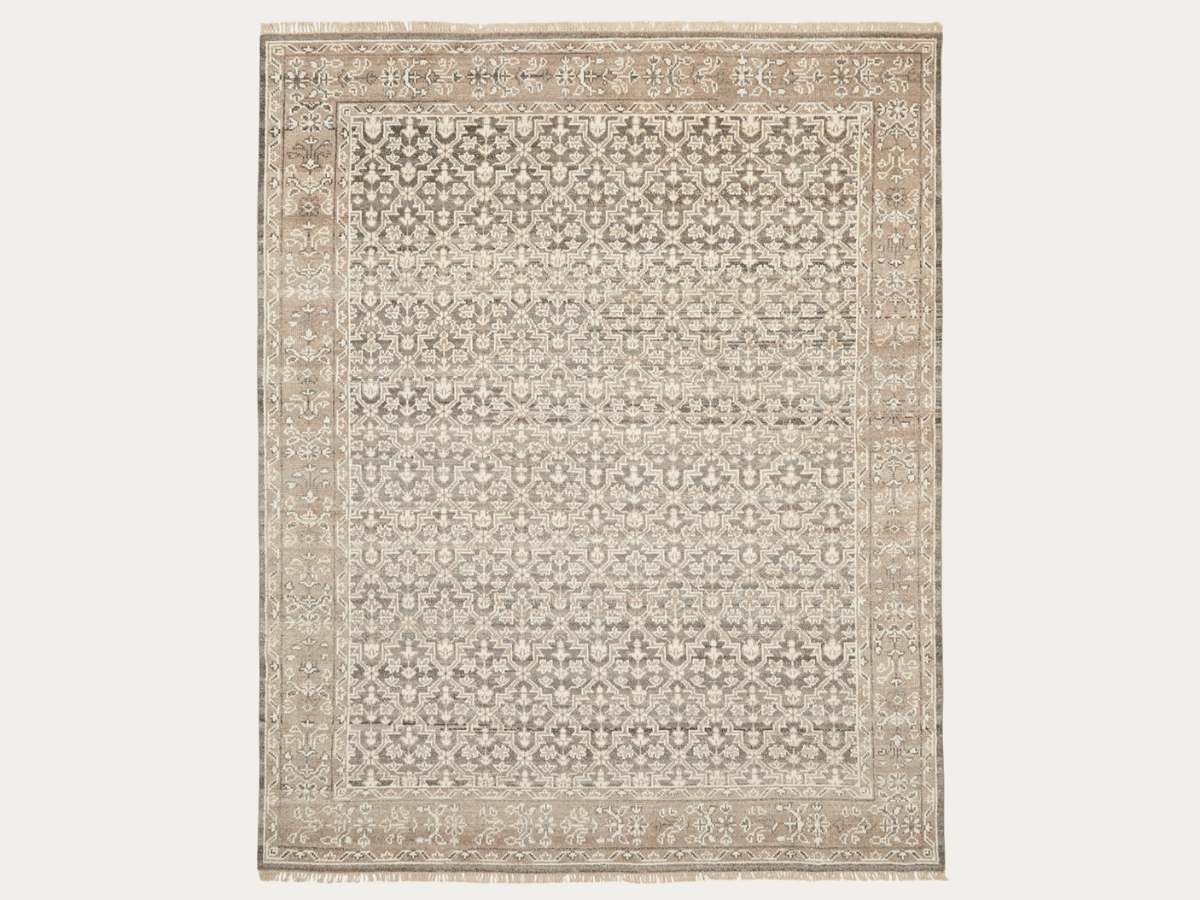
Coyuchi + Rejuvenation, Meares Hand-Knotted Rug
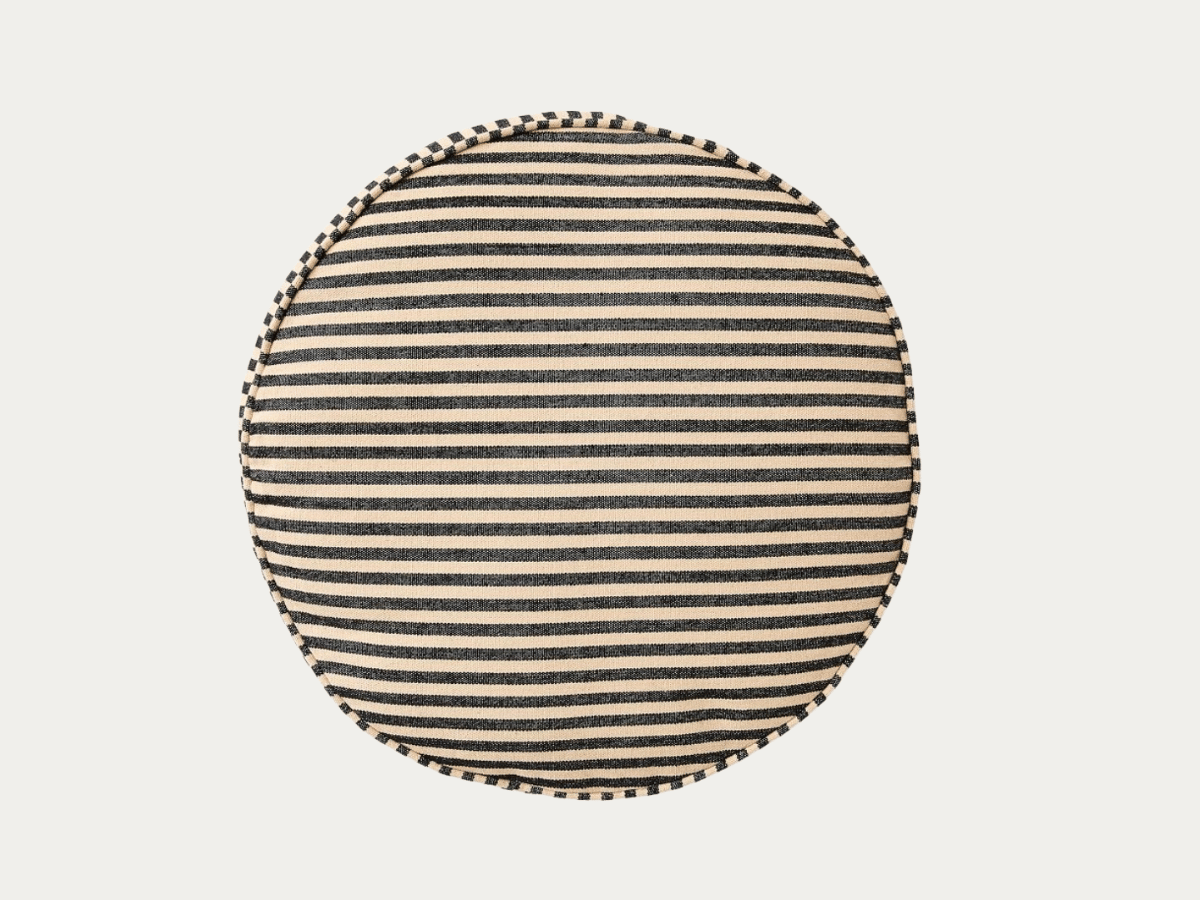
Pierce & Ward, Round Stripe Pillow
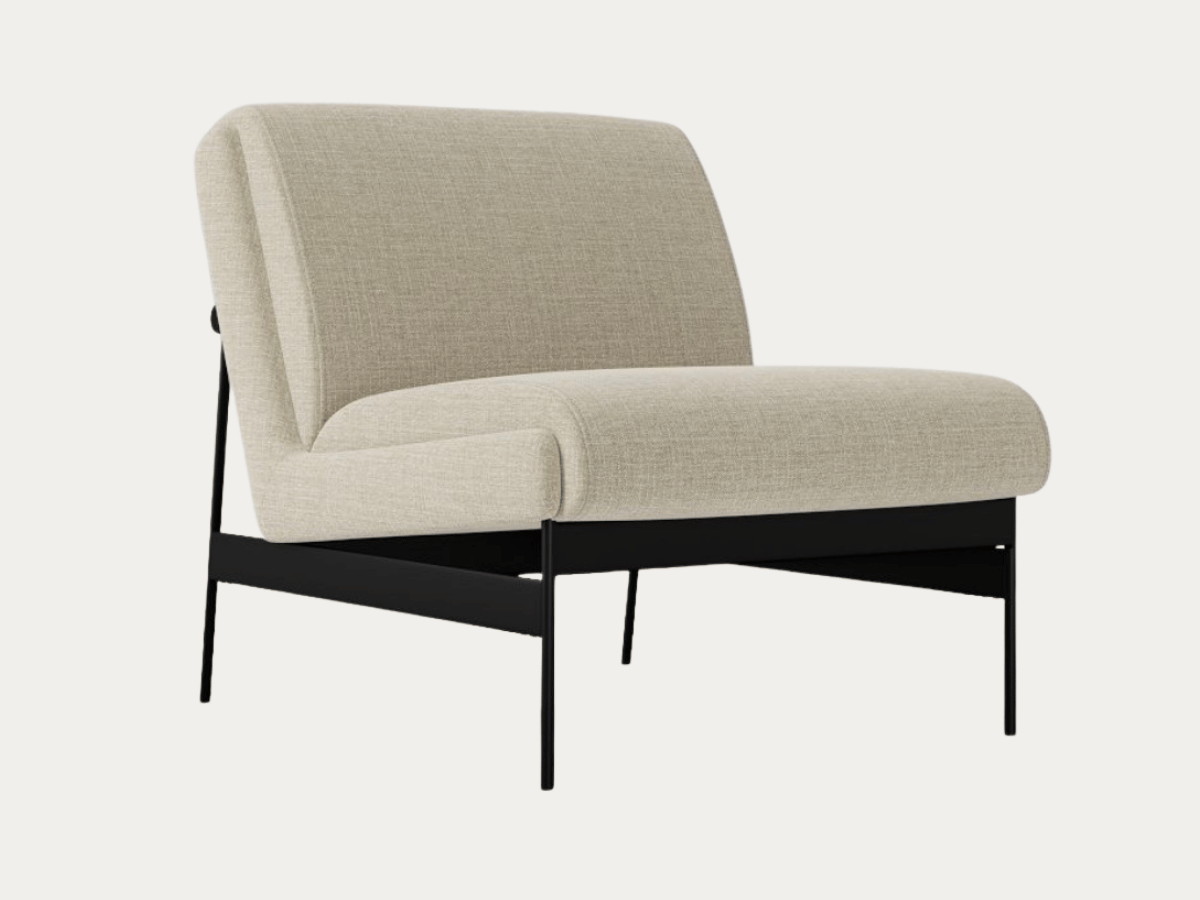
West Elm, Lacon Slipper Chair
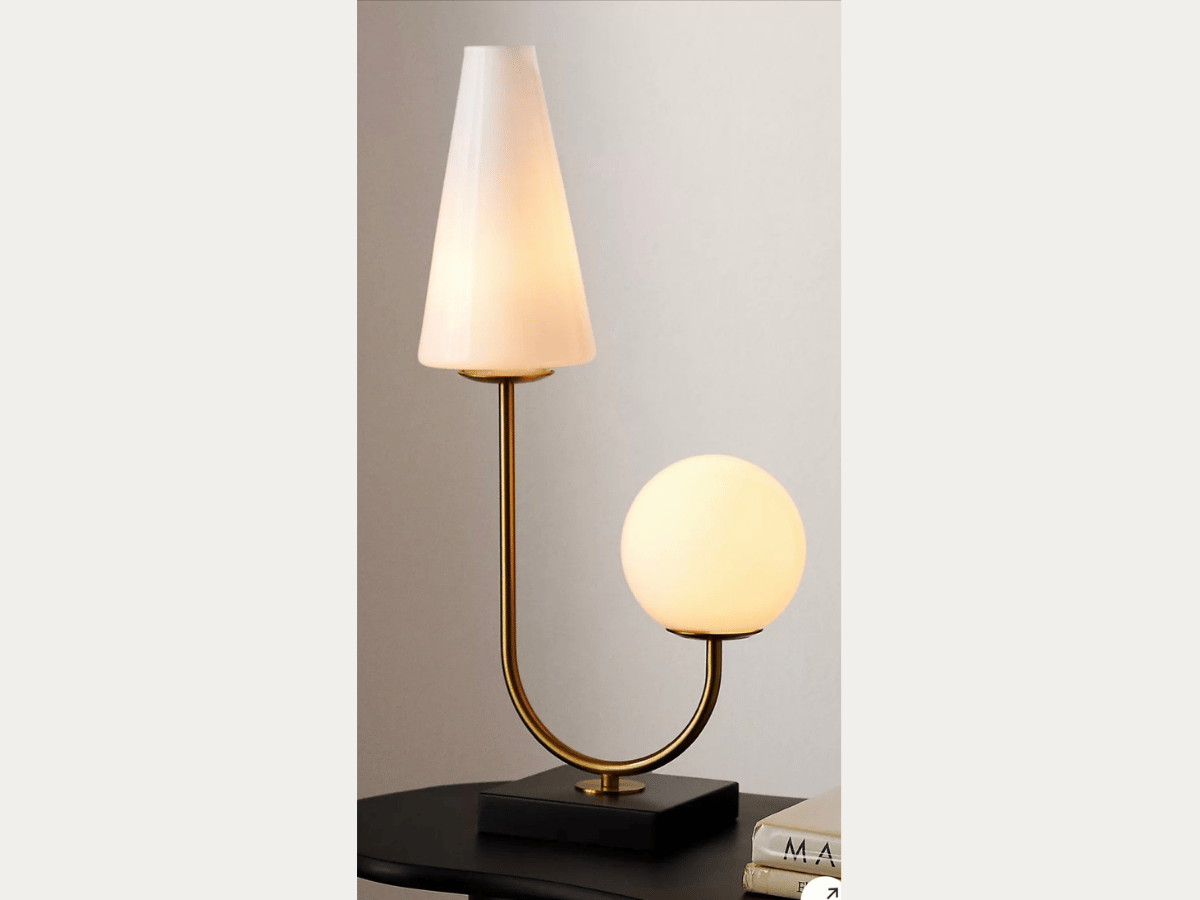
Anthropologie, Avalora Table Lamp
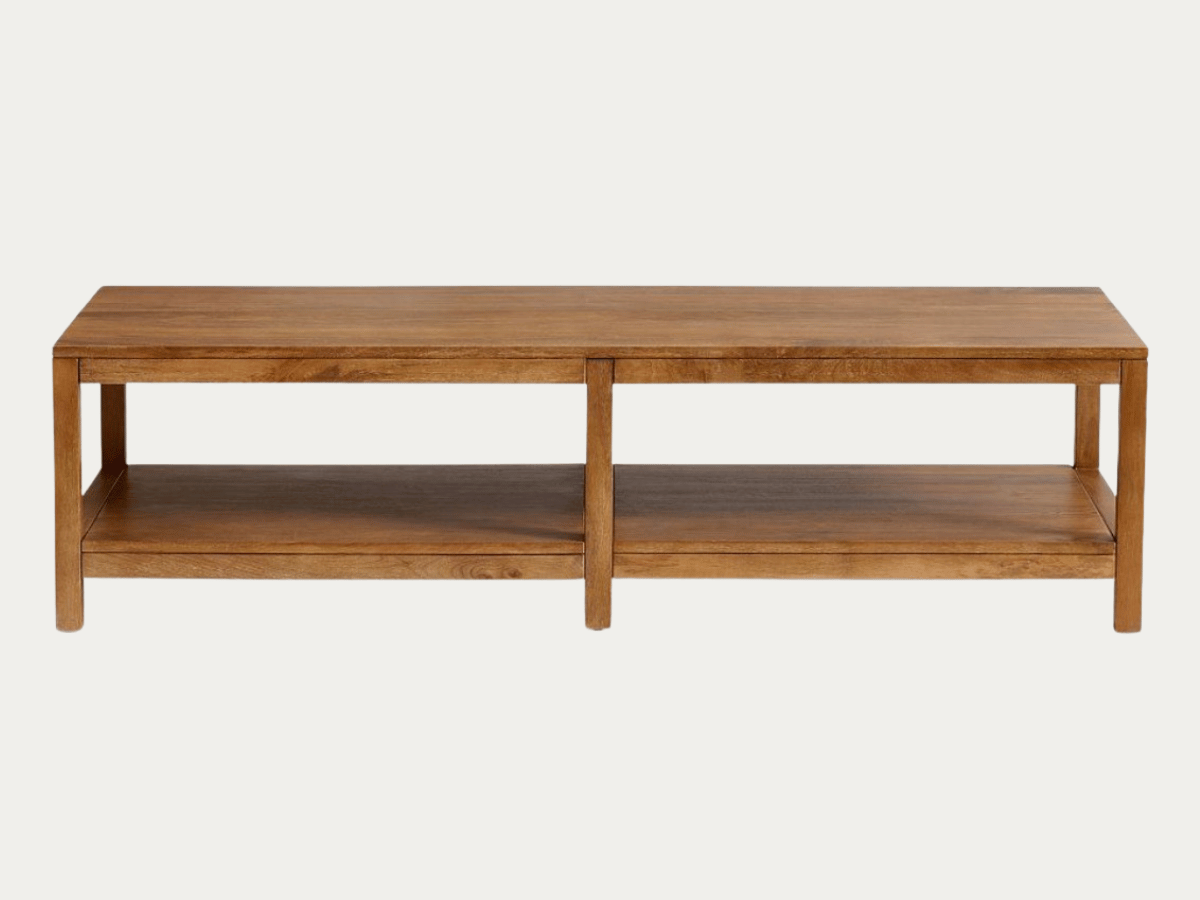
Pottery Barn, Nicasio Rectangular Coffee Table
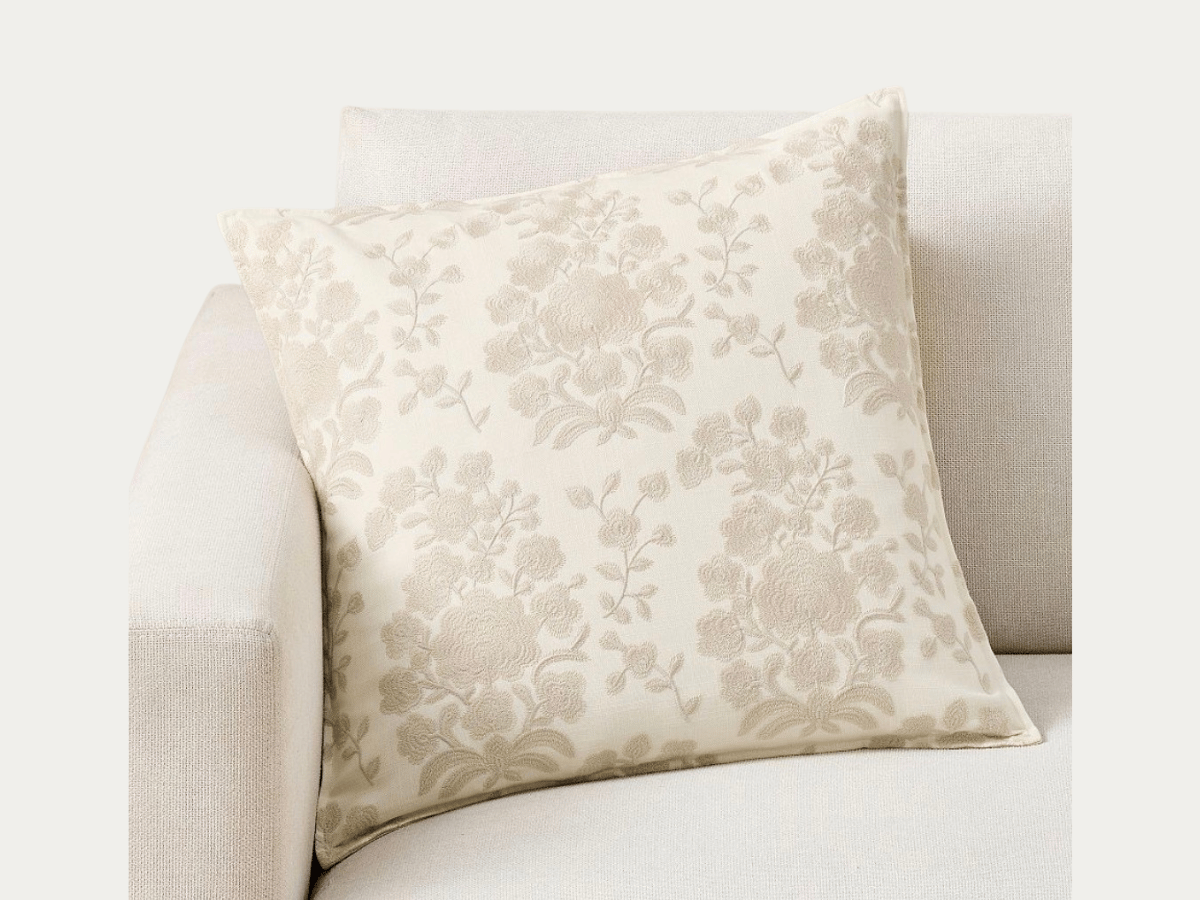
Pottery Barn, Mae Paisley Pillow
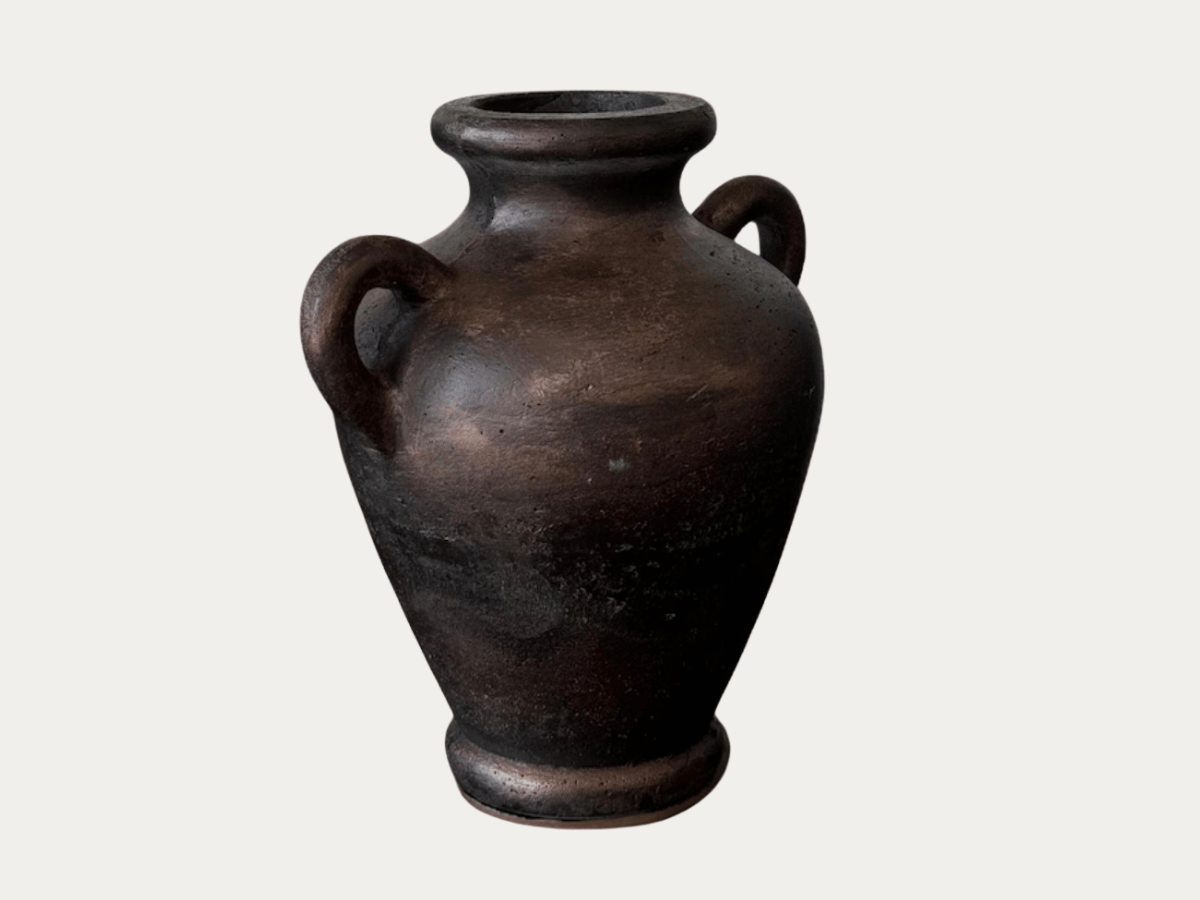
Lutus Pottery, Handmade Concrete Vase
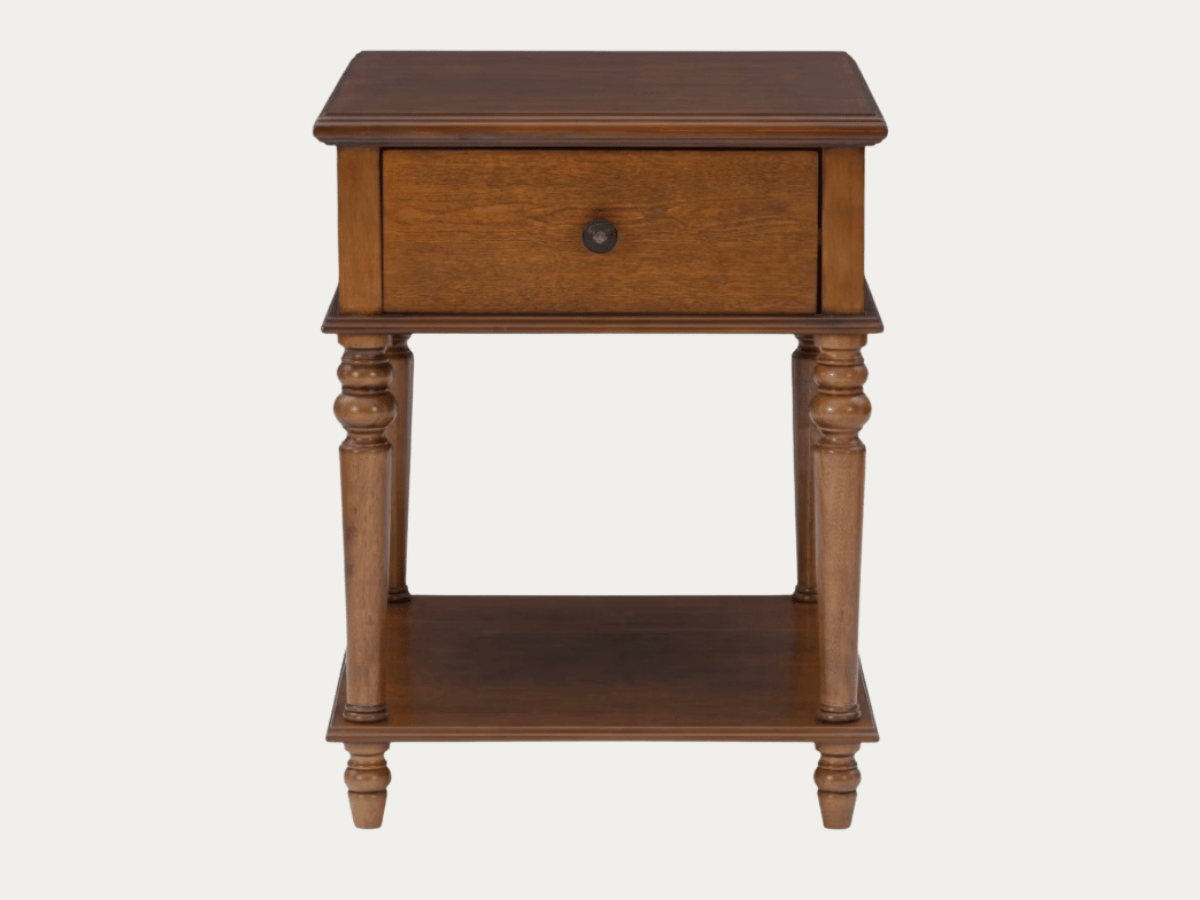
Target, Traditional Side Table
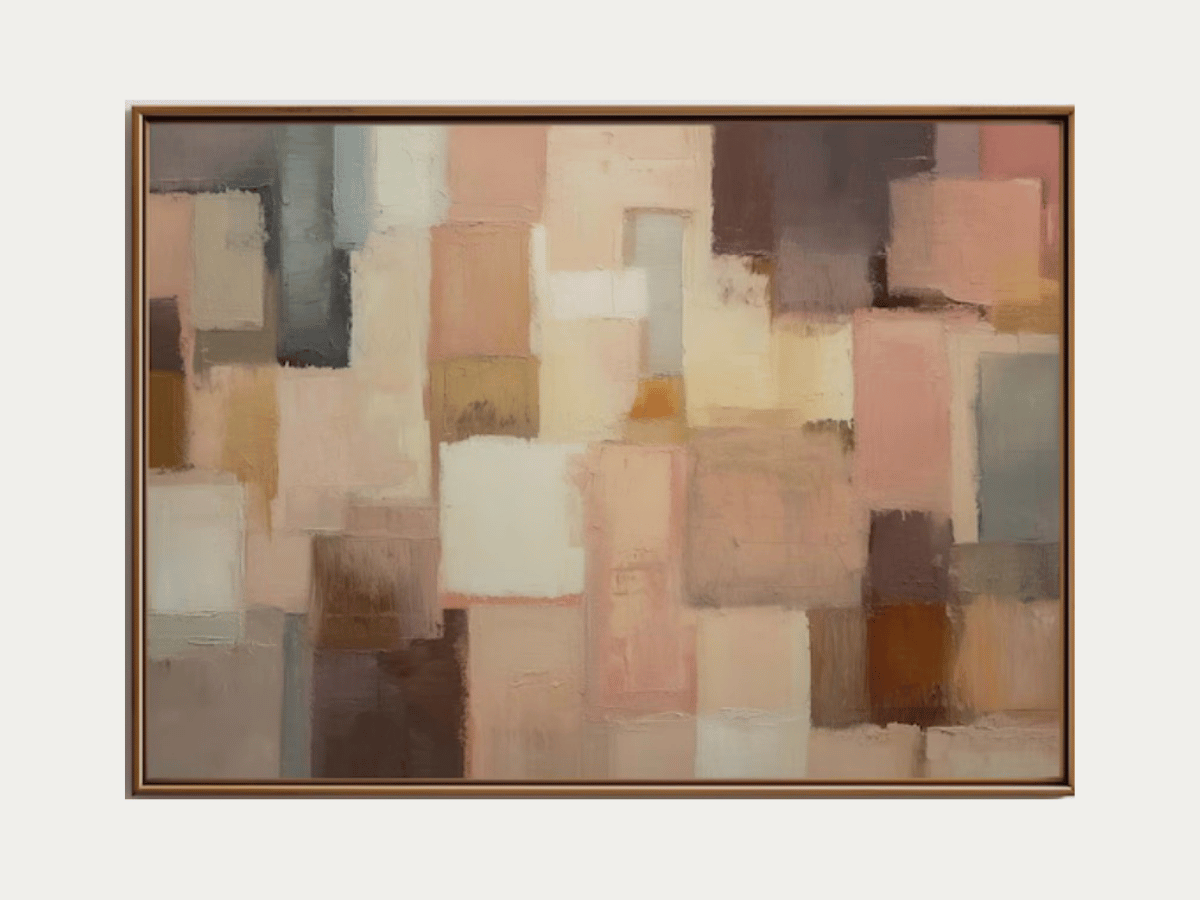
Eldridge Prints, Abstract Wall Art
Blending design styles can be daunting, but also a lot of fun once you know how to do it. Try the 80/20 rule today by editing what you already have. Is your living room leaning too traditional for your taste? New furniture is a pretty big investment, but for $100-$200, a few graphic pillows and abstract wall art may be all you need for a completely different vibe!
Shop More Rocky Hill Home Mood Boards and Home Finds